


A proposed national road use charge for electric vehicles (EVs) appears to be on hold following comments from the federal Transport Minister suggesting it could hamper a recent surge in sales.
As fuel prices reached record levels across Australia in March 2026, the share of electric vehicles sold also increased by 88.9 percent to a new high of 14.6 percent market share.
The best-selling electric car, the Tesla Model Y, was the third most popular vehicle behind the Ford Ranger and Toyota HiLux.
But as sales of electric cars rose, the expected announcement of a road user charge approached. This was previously planned to be set out in the federal budget in May, ahead of its implementation in 2028.
CarExpert can save you thousands of euros on a new car. Click here to get a lot.
Transport Minister Catherine King has all but ruled out announcing a road user charge in next month’s federal budget.
“It will clearly have to be legislated through Parliament, and it is not clear to me whether there is a route for it through Parliament at this stage. We will wait and see,” she said. ABC Insiders yesterday.
“At the moment we are trying to encourage the use of electric vehicles as much as possible, but we don’t want to discourage it at all, so there is a balance to be struck here.
“We want to try not to discourage the introduction of electric vehicles, especially at a time when we are seeing such a strong increase in them, so perhaps now is not the time for that.”
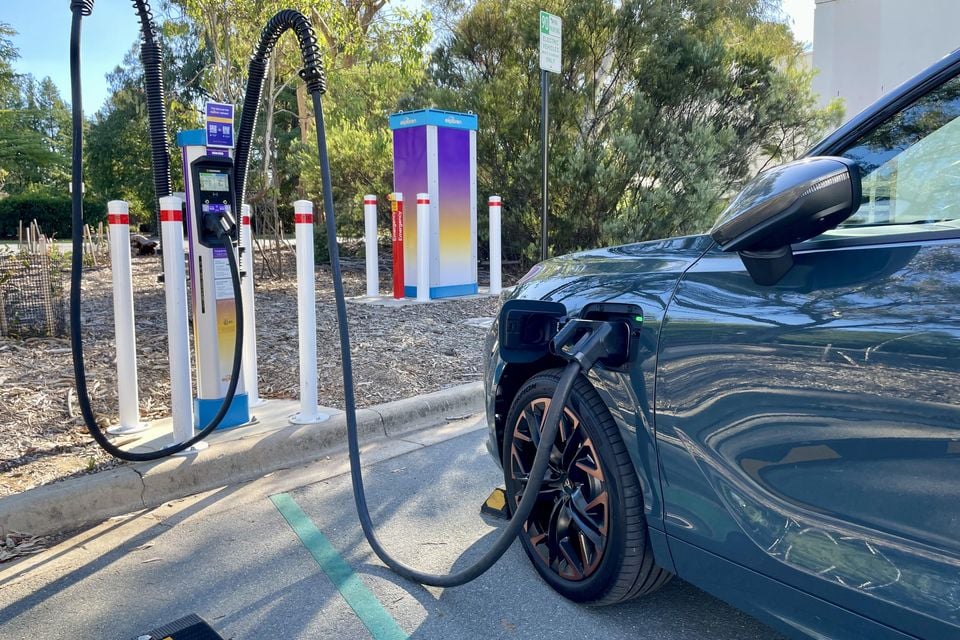
The proposed road user charge had been increased earlier in 2025 by federal Treasurer Jim Chalmers, who said the government was “accelerating work” on how it would be implemented.
The system is charged per mile traveled and can let drivers report annual mileage or use in-car GPS tracking to calculate distance driven.
A key motivation for the EV road user charge is to recoup lost income from drivers who fail to pay fuel duty, which was also halved for three months from April 1, 2026 to reduce petrol and diesel costs.
This pause could provide the government with an opportunity to reconsider its approach as the number of EVs on Australian roads continues to rise.
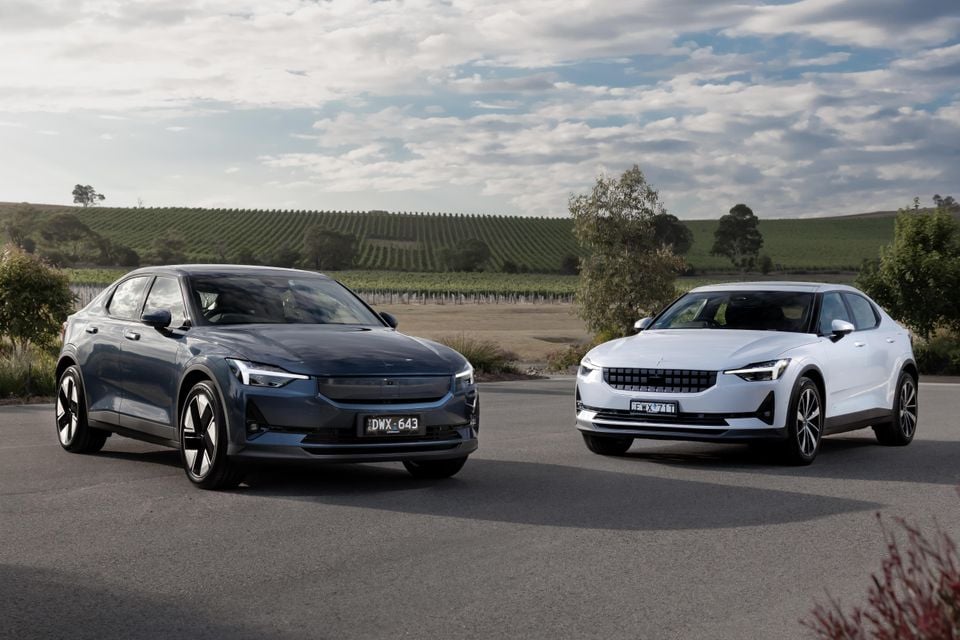
Victoria became the first Australian state to introduce such a road user charge in 2021, and the state governments of New South Wales, South Australia and Western Australia all proposed similar charges.
Before the charge was abolished, Victorian EV owners had to pay 2.8 cents per kilometer travelled, while plug-in hybrid (PHEV) owners had to pay 2.3 cents per kilometer.
The High Court of Australia ruled the scheme unconstitutional in 2023 and forced the state to abandon the policy and refund revenue collected under it, paving the way for a federal settlement.
Polestar Australia boss Scott Maynard said AutoExpert the road user charge offers a broader opportunity than just adding costs to owning an electric car.
“This is to some extent inevitable and I do not dispute the government’s need to supplement fuel duty with the road user charge, but it would be a huge shame to see this being levied on electric vehicles and imposed as a thinly veiled tax,” Mr Maynard said.
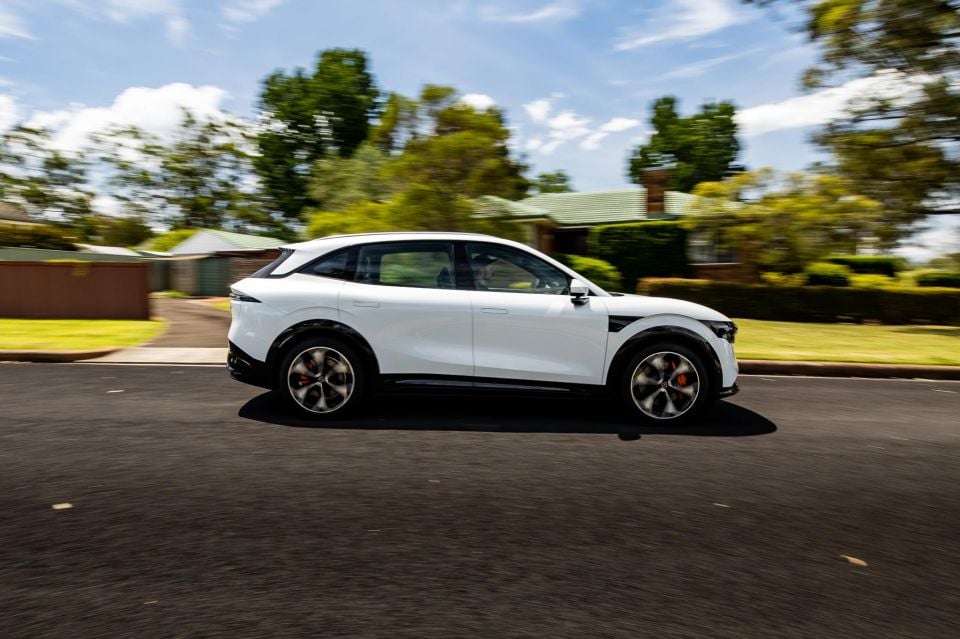
“The road user charge is a fantastic opportunity for the government to achieve reconciliation all of the various fees, taxes, levies and levies imposed on the Australian motorist who wishes to purchase, register, license and drive a car,” he added.
“Instead, it’s just been slapped on top – if the current rhetoric were to work its way through – so this is potentially a missed opportunity, and I hope that’s not what happens.”
It is unclear whether the Australian government will follow New Zealand’s lead when it eventually introduces a road user charge.
In August 2025, the New Zealand government announced plans to abolish fuel duty and instead apply the road user charge (RUC), based on distance traveled and vehicle weight, to all vehicle types by 2027. Petrol vehicles will join a system that already applies to diesel vehicles, EVs and PHEVs.
MORE: The Australian government is weighing up charging for EV road users this year amid criticism of fuel taxes


