


News
MoMA PS1 in NYC brings together several works at the intersection of grief and violence, often with a focus on the US-Mexico border.

This fall, MoMA PS1 in New York City presents the first American survey of Mexican artist Teresa Margolles. Margolles is formally trained as a forensic pathologist and has spent over thirty years creating sculptures, performances and installation work using organic and bodily materials from homicide victims, morgues and crime scenes.
The Queens-based institution will bring together selected works about the artist’s various encounters with murder and violence along the U.S.-Mexico border, as well as the treatment, disposal, and memory of the human body after it has been deprived of life. In an evolution of Margolles in 2026 Air (2003–) series, a MoMA PS1 gallery will be dampened with water infused with degradable material from murder sites. The needle is pointed directly at the US in another work in the exhibition, “El agua de la ciudad, Dallas” (2016), a documented performance in which Margolles and volunteers carefully clear multiple murder sites around the city.
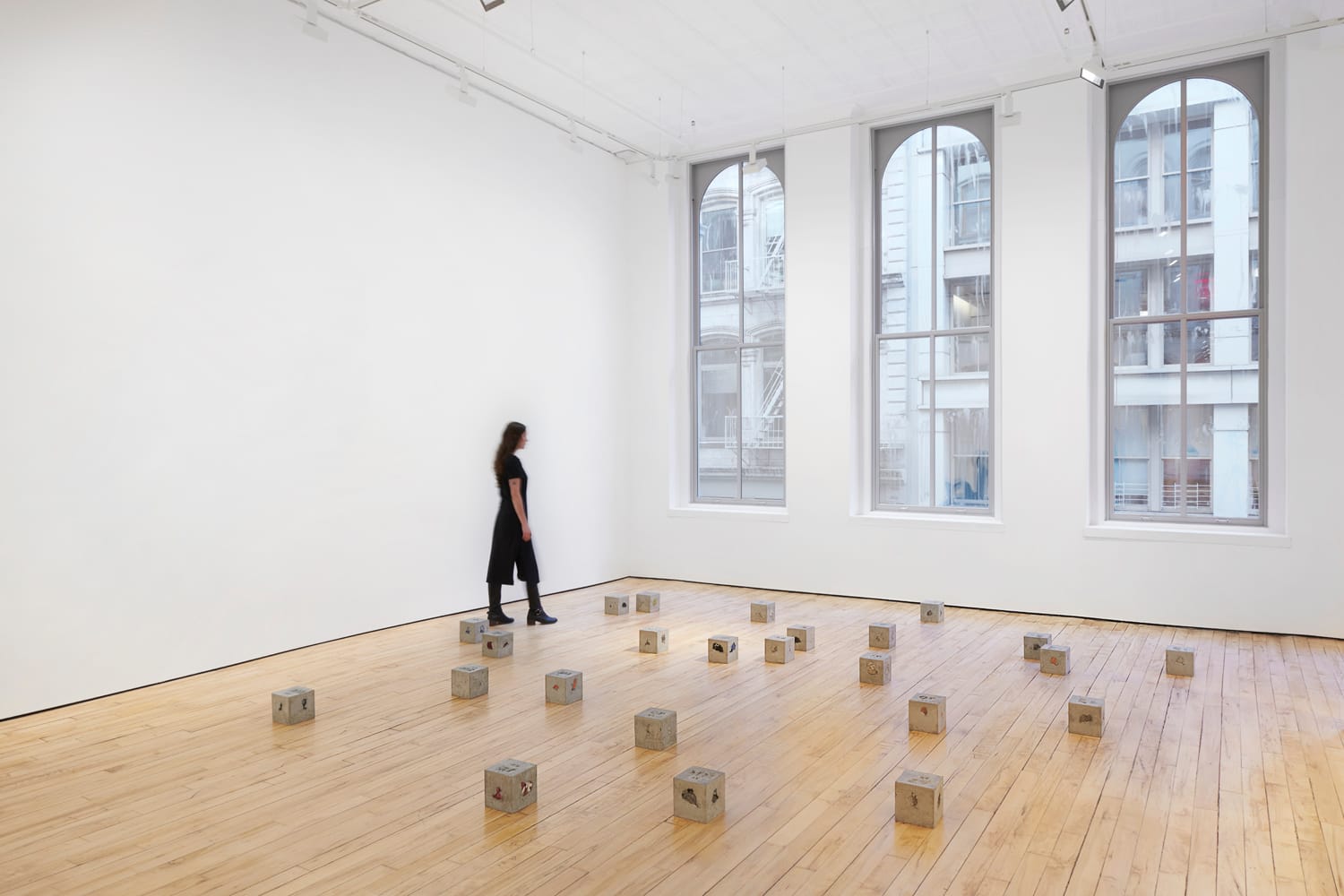
In conjunction with the PS1 presentation, the Museum of Modern Art in Manhattan will host Margolles’ new experiential installation beginning September 17. “Aproximación al lugar de los hechos (Approaching the Scene)” (2026) will engage viewers by dripping water onto seven steel hotplates. As in Airthe water also carries material evidence of a violent death, and it will hiss and steam with every drop that comes into contact with the plates.
“Margolles shifts grief from the sheltered space of commemoration to the troubled and living terrain of everyday life,” said Ana Janevski, curator of MoMA’s Department of Media and Performance, in an email to Hyperallergic. Janesvki organized the research together with Inés Katzenstein, curator of Latin American art and director of the museum’s Cisneros Research Institute.
“Mourning becomes political not through grand symbolism, but through proximity, through the disturbing realization that the spaces we inhabit and the objects we touch are intertwined with the history of loss,” Janevski added.
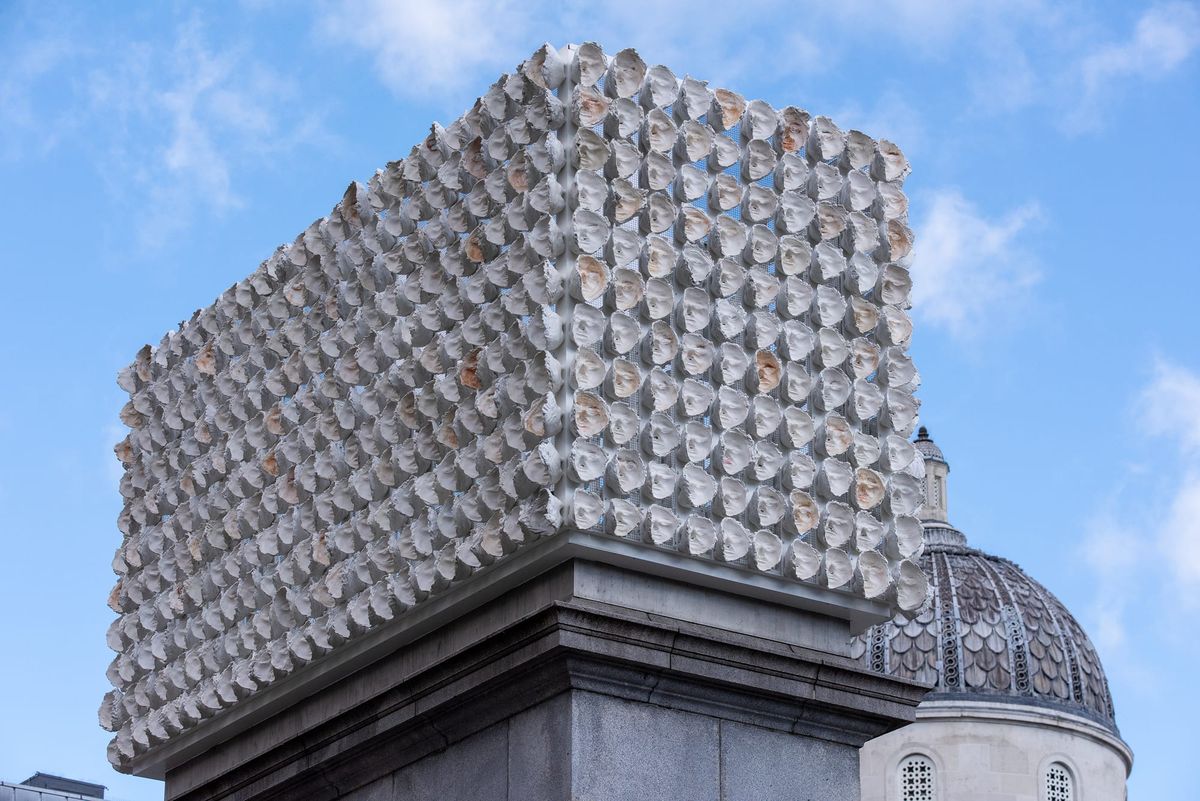
In addition to various museum presentations and awards, Margolles represented Mexico at the 53rd Venice Biennale in 2009 and was selected in 2024 for a deep-rooted plinth committee in Trafalgar Square commemorating trans and non-binary Mexicans and Britons.
The artist’s international fame begins with her upbringing in Culiacán, Sinaloa’s capital and main headquarters his infamous drug cartel. After moving to Mexico City for secondary education, Margolles studied forensic pathology and began working directly with the deceased in mortuaries, where trends of dignity and availability ultimately influenced urban life.

Blood, fat, sebum and other remnants of life became central themes in Margolles’ practice, as did inorganic materials such as broken glass or soaked clothing that implied or wiped away evidence of death. In “Receipt” (2020), the artist enlarged the transaction form for a $5.93 case of shotgun shells she bought at Walmart in El Paso, months after a gunman killed 23 people in a racially motivated mass shooting.
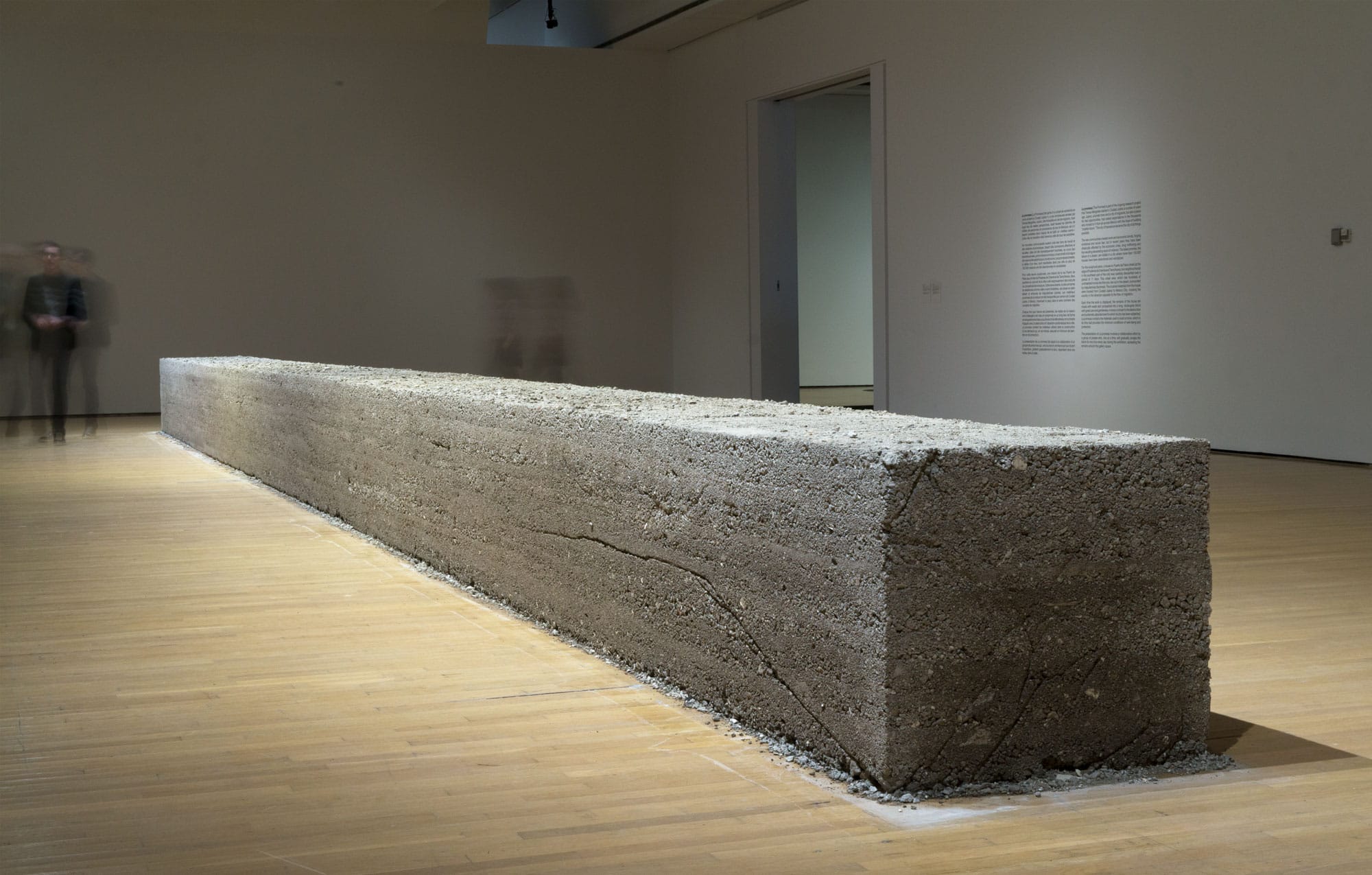
Central to the research is Margolles’ ‘La promesa’ (2012), the extensive documentation and sculptural result of the artist’s purchase and carefully managed demolition of an abandoned house in the border city of Ciudad Juárez. The work’s upcoming takeover of another MoMA PS1 gallery examines the systemic failures that led to the likely necessity of the house’s desertion.
“In contrast to the sensational images presented by the news cycle – where we see victims of violence, weapons and ruins of war – Margolles takes a completely different approach by focusing on experiences of grief and loss,” Katzenstein explains. Hyperallergic.
The study opens on September 24 and will run until spring 2027.


