


General engines still need to confirm it Super cruise hands-free driving technology for Australia, despite filing to trademark the name locally and continuing to roll out the feature globally.
The US carmaker filed an application with IP Australia on October 7, 2025, with a spokesperson for General Motors Australia and New Zealand (GM ANZ) confirming at the time that “it is quite common for organizations to trademark proprietary terms in the markets in which they operate”.
The company had no announcements to make at the time, and this has not changed despite GM moving closer to rolling out the technology in new markets.
Looking for your next car? We help you research And to compare so you choose with confidence.
‘We will always keep looking at it, of course [regulation] is one of the hurdles at the moment,” GM ANZ Managing Director Jess Bala told us AutoExpert.
“I can tell you that our policy team globally is asking the right questions because it is an amazing technology, so I hope so, but I can’t confirm it either way at this point because there are so many other external factors at play.”
Super Cruise is a Level 2+ autonomous driving system that supports hands-free driving on more than a million miles of roads in North America – typically divided highways and not city streets, although it works at all speeds and in stop-start traffic.
However, these roads are not only in the densely populated parts of the US and Canada, but also in more desolate states such as North and South Dakota, including mapped roads.
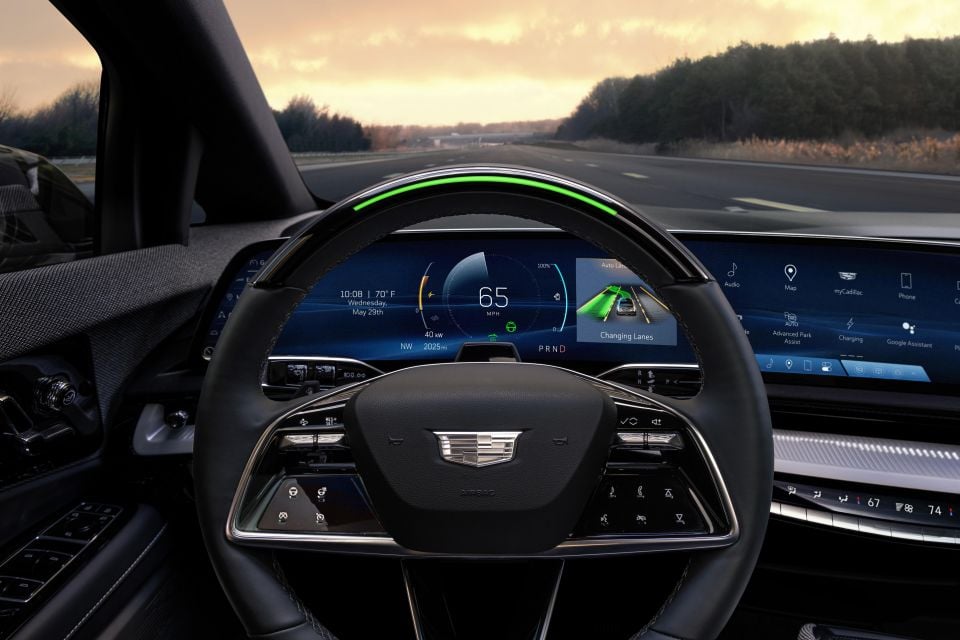
Super Cruise combines adaptive cruise control and lane centering functions, and uses a camera to monitor the driver and ensure they are looking ahead. It has been upgraded to even detect and execute appropriate lane change opportunities.
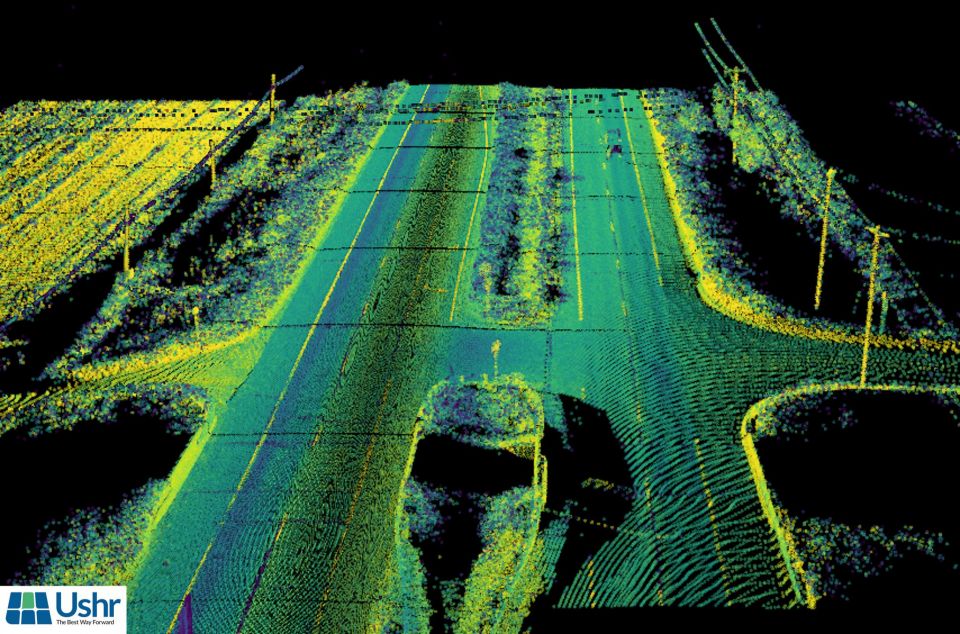
To make this hands-free driving possible, Super Cruise uses a combination of cameras, sensors, radar and GPS data. Crucial to its effectiveness, however, is map data scanned by LiDAR.
GM confirmed last May that Super Cruise is coming to the Middle East soon, while digital route maps have been completed in Oman, Kuwait and Bahrain. In September, it was granted a license in Saudi Arabia to export panoramic images.
Super Cruise has been available in the US and Canada since 2017, followed by China in 2020.
GM has previously indicated that it is more than just regulations that are a roadblock to the Australian rollout of Super Cruise
“Mapping typically costs millions of dollars,” Super Cruise product manager Jeff Miller told Australian media in Michigan last June.
“It depends on the scale, the number of kilometers you have to map, whether they are continuous roads,” he said when asked how long the mapping takes.
“Normally it takes about two years to make a country.”
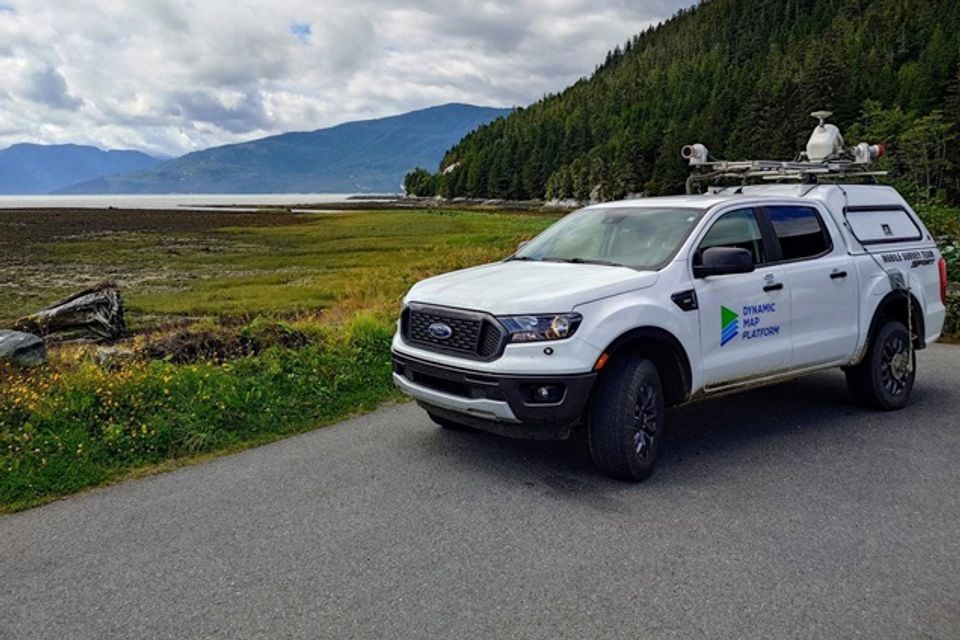
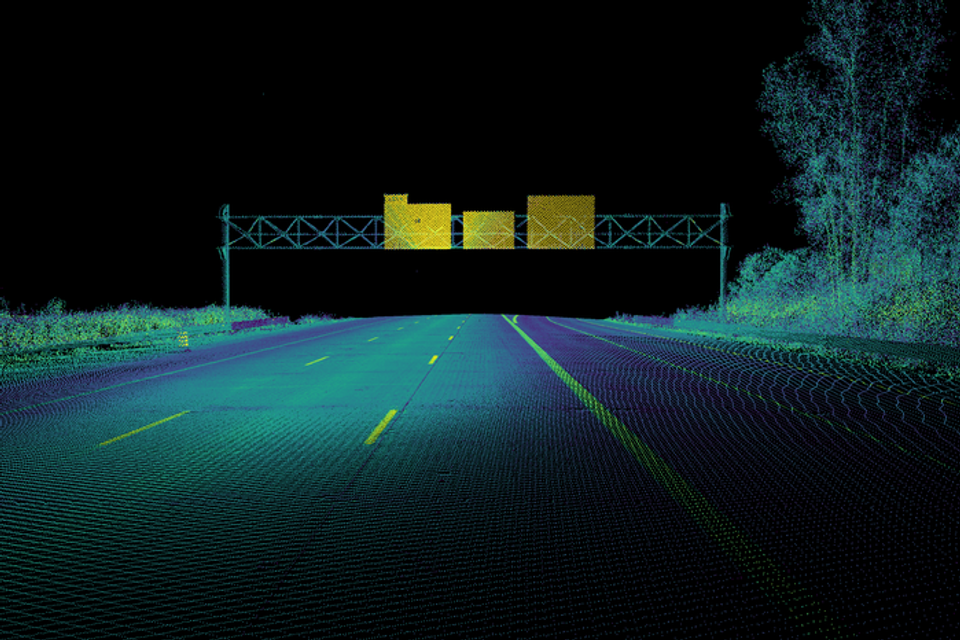
Mr. Miller explained that GM operates off an accurate LiDAR map, contracting a vendor to map roads using LiDAR-equipped vehicles. However, GM vehicles themselves are not equipped with LiDAR.
GM’s LiDAR map is proprietary to GM and does not offer it to other automakers. This includes Ford, which followed GM’s Super Cruise in 2021 with its very similar BlueCruise.
Asked whether other automakers could share the cost of LiDAR mapping, Mr. Miller said: “It depends.
“There are crowdsourced maps like Mobileye… And then there’s… TomTom. They have all different maps,” he said.
“They are not high-fidelity, at the level of fidelity that we would like, so we have a separate company that we contract with: DMP.”
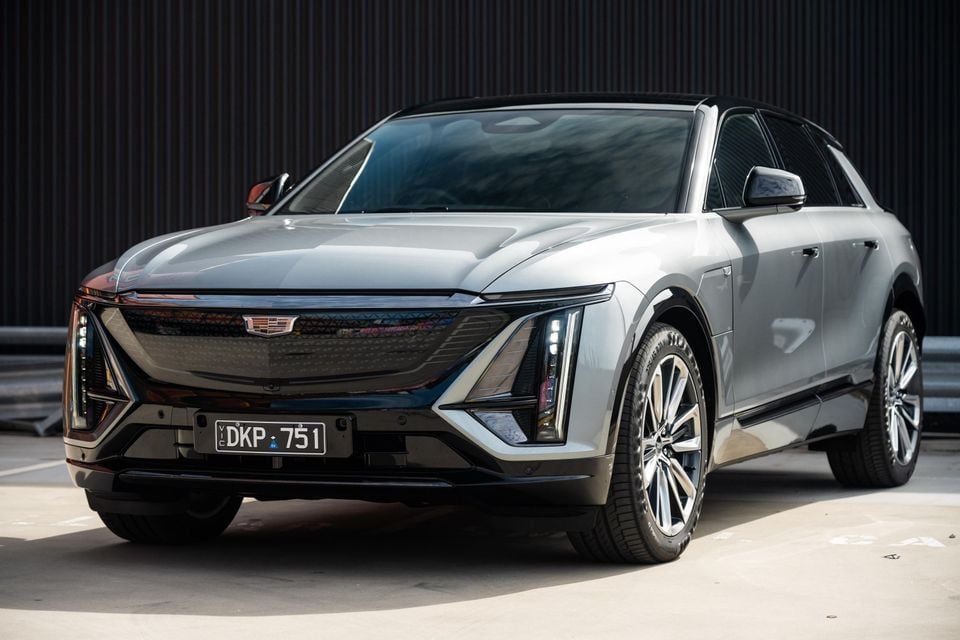
Super Cruise is currently offered in more than 20 models in North America, including vehicles already sold or soon to be sold in Australia, such as the Chevrolet Silverado, GMC Yukon Denali and Cadillac Optiq, Lyriq and Vistiq.
Some of these vehicles in Australia still have the black plastic panel on their steering wheel that on North American market models illuminates when Super Cruise is operational.
The absence of Super Cruise here also meant that models like the Cadillac Lyriq were launched with only basic lane keeping assistance.
However, GM in North America has rolled out a lane centering system that can be used on roads not mapped for Super Cruise, and the Cadillac Optiq and Vistiq will offer this in Australia, where the Lyriq will get it in the next model year update.
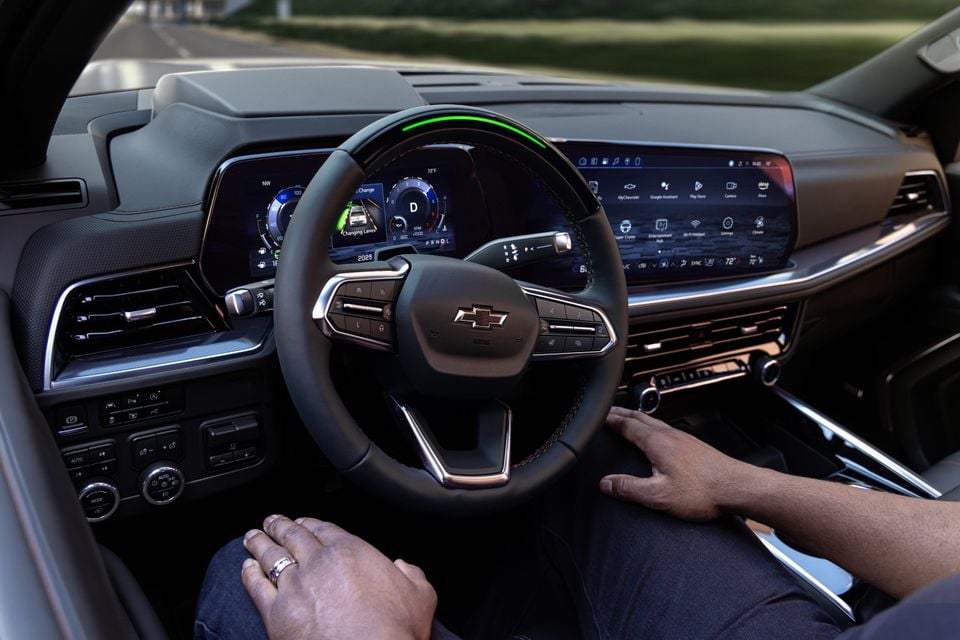
After announcing in late 2024 that it would stop funding the operation of robotaxis through its Cruise autonomous vehicle division following a highly publicized collision with a pedestrian, GM says it is now refocusing resources to improve its Super Cruise system.
It says that in doing so it is “emphasizing a cautious and safety-oriented approach to autonomous driving technology.”
“The reason we limited Super Cruise to what we limited it to is because you don’t have to worry about pedestrians and people on bikes,” Mr. Miller said, referring to GM’s focus on divided highways.
“There are a lot of these unknown scenarios that you get into that are harder to avoid. That obviously increases the cost of the detection kit that you need to detect those.”

Tesla, on the other hand, has made its autonomous driving technology Level 2+ – Full Self-Driving (Supervised) – operational on all kinds of roads.
This allows you to drive with your hands off the wheel, although local laws still require you to pay attention to the road ahead and maintain good control of the car.
FSD equipped vehicles in Australia are currently being upgraded to v14.3.3.
MORE: Everything Cadillac • Chevrolet • GMC


